
How to Choose the Right Windows for Your New Construction Home
Building a new home is exciting. There are so many decisions to make; some are fun, and some are overwhelming. When it comes to choosing windows for a new construction home, things can get overwhelming fast. You walk into a showroom and find yourself staring down a wall of options. You’re looking at a variety of styles, materials, ratings, and series numbers. It's a lot.
The windows you choose now will affect how comfortable, efficient, and beautiful your home is for the next 20 to 30 years. If you get it right, you'll barely think about your windows again. But if you get it wrong, you'll feel it every winter when the draft hits and every summer when your energy bill comes in the mail.
At Graber Supply in Amboy, Indiana, we've been helping homeowners in North-Central Indiana choose the right windows and doors for over 35 years. As a certified Andersen dealer, we know this stuff inside and out, and we're here to make the process simple.
So before you make any decisions, here's what you need to know.






TL;DR - How to Choose the Right Windows for Your New Construction Home
- New construction windows are installed before siding and trim, and attach directly to the wall framing. Replacement windows are made to fit inside an existing frame.
- Window style matters by room: casement, double hung, awning, bay & bow, and gliding windows each serve a different purpose.
- Know your ratings: look for a U-factor of 0.30 or lower and ENERGY STAR certification.
- Frame material affects durability and efficiency. Vinyl is affordable, wood is beautiful but high-maintenance, fiberglass lasts 50+ years, and Andersen's Fibrex® composite combines the best of both.
- Andersen Windows offers custom sizing, transferable warranties, and multiple series to fit any budget.
The Key Difference Between New Construction and Replacement Windows
Not all windows are the same, and it starts with whether they're going into a brand-new home or simply replacing what's already there.
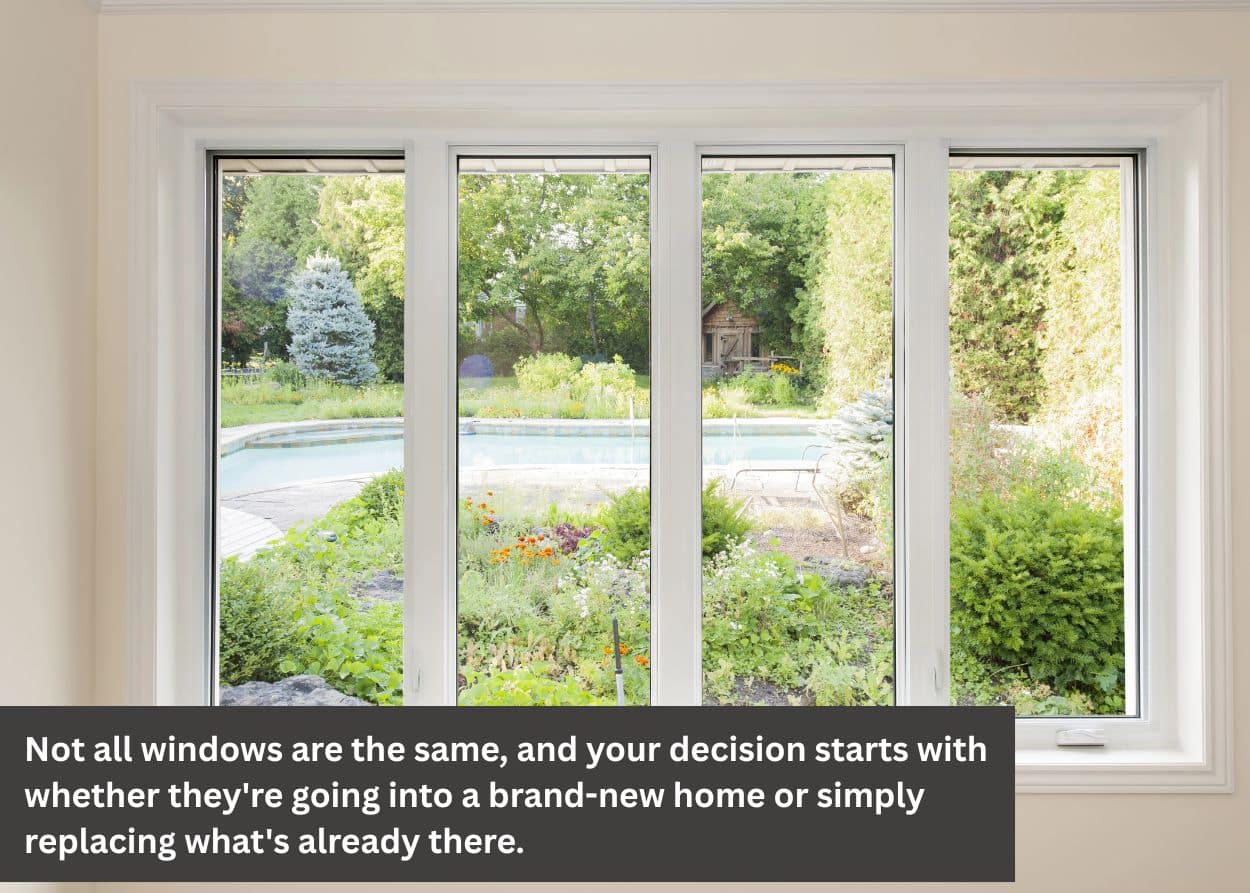
New construction windows are designed to be installed in a home that's being built or undergoing a major remodel. They come equipped with nailing fins, which allow the window to securely attach to the house's framing during construction. After the window is set, the flashing, siding, and interior trim are added around it.
Replacement windows, on the other hand, are made to fit inside an existing frame. They're a great option when you're updating old windows in a home that's already finished, but you do lose some glass area in the process.
How to Choose the Right Window Style for Your New Home
Once you know you need new windows, it’s time to choose which style is right for each room.
This isn't just about looks. Different window styles offer varying levels of ventilation, light, and functionality. The style you choose for your kitchen might be completely different from what works best in your bedroom or living room. Here's a quick rundown of the most common styles available through Andersen Windows at Graber Supply:
- Double Hung: The classic. Both the top and bottom sashes move up and down, making them easy to clean from inside the house. They work well in almost any room.
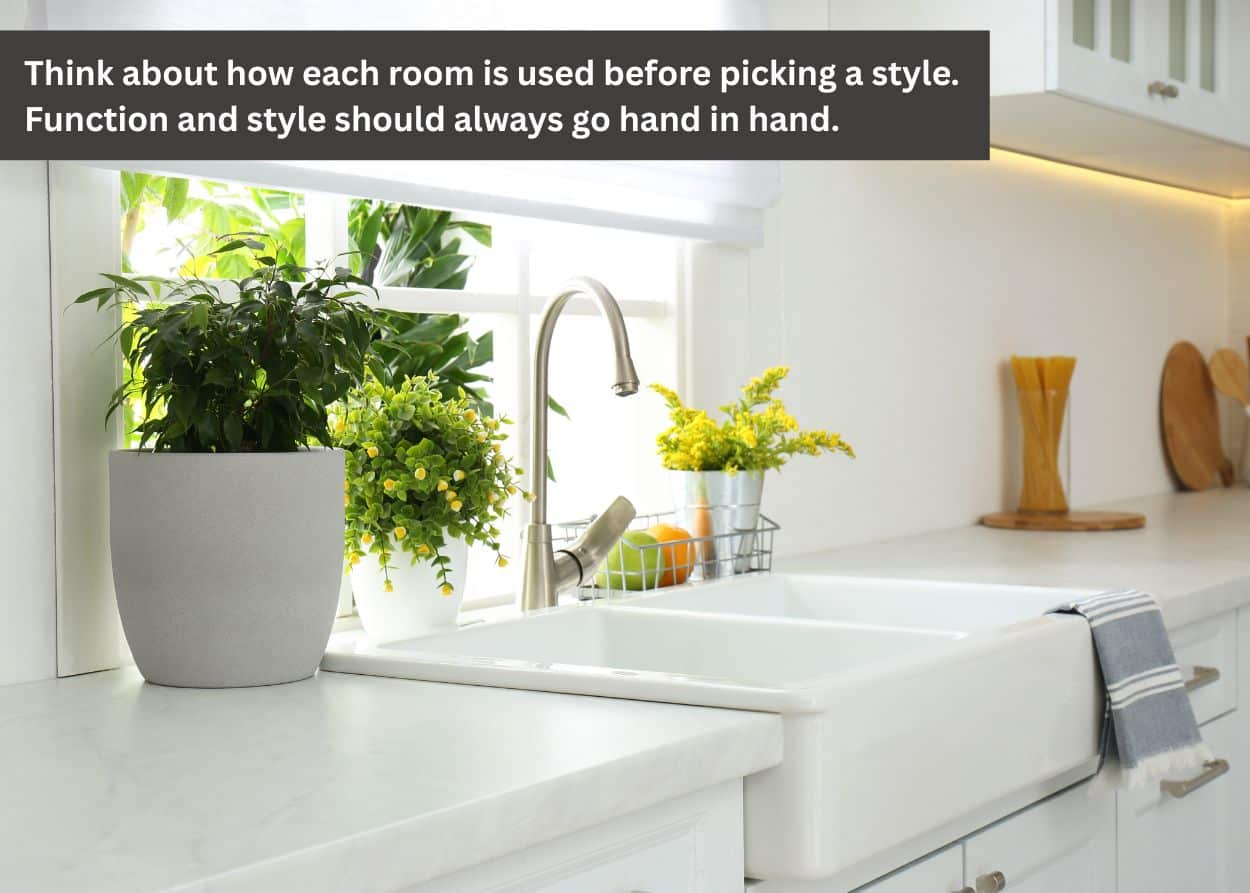
- Casement: Hinged on the side and crank open outward. They provide full top-to-bottom ventilation and are commonly used above kitchen sinks.
- Awning: Hinged at the top and open outward from the bottom. You can leave them open even in light rain, making them a smart choice for bathrooms or basements.
- Bay & Bow: Three or more windows angled out from the house. They add depth, light, and a beautiful focal point — perfect for living rooms or dining areas.
- Gliding: Open horizontally, which means no outward swing. Ideal for spots near decks, patios, or walkways where an outward-opening window would be in the way.
Here is a good rule of thumb. Think about how each room is used before picking a style. A casement window over the kitchen sink makes cleaning up a breeze. A bay window in the living room adds architectural interest while flooding the space with natural light. An awning window in the bathroom lets in fresh air, even on a rainy day.
Function and style should always go hand in hand.
Understanding Energy Efficiency and Window Ratings
Indiana winters are cold, while its summers are warm. Your windows play a big role in how it affects your heating and cooling bills. According to the U.S. Department of Energy, 25% - 30% of a home's energy loss occurs through windows. So it makes sense to understand the technical terms that describe your windows.
When you're shopping for windows, you'll see a few key ratings on the label. Here's what they mean in plain English:
U-Factor: This measures how well a window keeps heat inside your home. The lower the U-factor, the more energy-efficient the window. For Indiana's climate, aim for a U-factor of 0.30 or lower.
Solar Heat Gain Coefficient (SHGC): SHGC is the fraction of solar radiation admitted through a window, either transmitted directly or absorbed and released as heat inside a home.
ENERGY STAR Certification: When a window carries the ENERGY STAR label, it means it's been independently tested and meets the minimum efficiency standards for your climate zone. It's a reliable starting point when comparing options.
You may also hear about Low-E glass (low emissivity). This is a thin coating on the glass that helps reflect heat, keeping warmth inside in winter and blocking solar heat in summer.
The Four Best Window Frame Materials for Long-Term Performance
Now that you understand efficiency ratings, let's talk about what your windows are actually made of, because frame material has a direct impact on durability, maintenance, and energy performance.
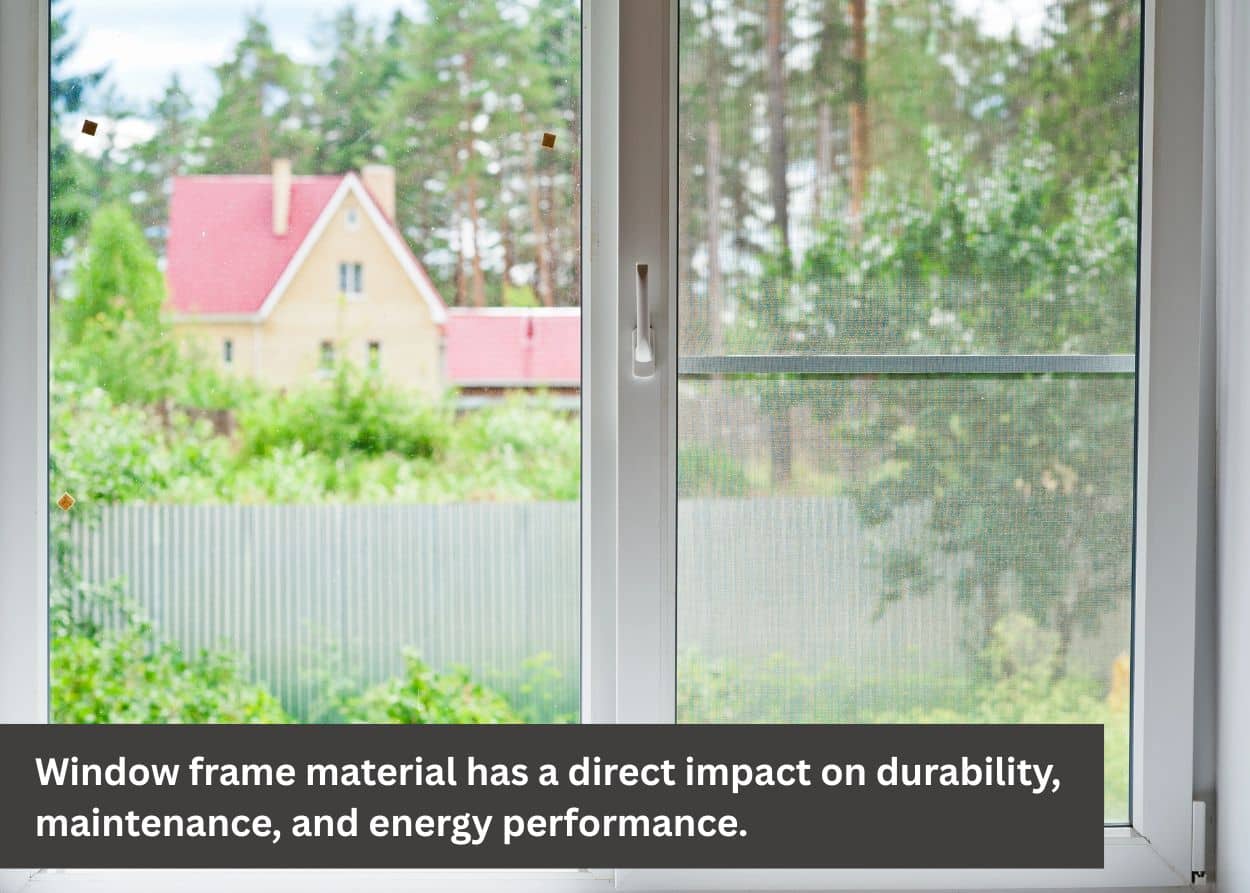
Here's how the most common materials compare:
Vinyl: Vinyl is one of the most popular window materials on the market, and for good reason. It's affordable, low-maintenance, and a decent insulator. Vinyl window frames resist cracking, chipping, and fading, and they won't rot or warp the way wood can. The main downside is that vinyl can expand and contract in extreme temperature swings, which can affect the seal over time.
Wood: Wood windows are beautiful and have excellent natural insulating properties. They're a great choice if you love a classic, traditional look. The trade-off is maintenance. Wood needs to be painted, sealed, and inspected regularly to prevent rot and moisture damage.
Fiberglass: Fiberglass windows are among the most durable options available. A quality vinyl window typically lasts around 30 years, while a fiberglass window can last 50 years or more. They're also highly energy efficient. The downside is cost — Fiberglass typically runs more than vinyl or composite.
Composite (like Andersen's Fibrex®): Andersen's proprietary Fibrex® material is a composite made from 40% reclaimed wood fiber and 60% thermoplastic polymer, creating windows that are twice as strong as extruded vinyl and offer better resistance to warping, cracking, and temperature swings.
Why Andersen Windows Are a Smart Investment for New Construction
Speaking of Andersen, let's talk about why so many builders, remodelers, and homeowners in North-Central Indiana trust them.
Andersen has been making windows for over 100 years. When you're investing in a new home, you want windows that will perform for the long haul, not ones you'll have to replace in 15 years.
Here's what stands out about Andersen:
- Multiple series to fit your budget: The 100, 200, 400, A-Series, and E-Series lines give you options from solid everyday value to premium performance and full customization.
- Custom sizing in ⅛" increments: Your home is unique. Andersen can match it exactly.
- Industry-leading warranties: All Andersen products come with limited warranties, and their Owner-to-Owner® warranty transfers to the next buyer if you ever sell your home. That adds real resale value.
- Low-E glass options: Low-E glass is available on all Andersen products and is a good option for climates that have both hot and cold weather.
Graber Supply has been a certified Andersen dealer for over 30 years. That means we're trained to help you select, size, and install the right Andersen products, and we're authorized to perform warranty work if anything ever comes up.

Your New Home Deserves the Right Windows
Imagine your new home when it’s finished. Every room is bright and comfortable, and the windows fit the house perfectly: classic double-hung windows in the bedrooms, a casement window over the kitchen sink, and a stunning bay window in the living room. It's January, and your house is warm and quiet. You open your first energy bill, and it's lower than you expected.
That's what happens when you make smart window choices.
Here's how to get there:
- Think through each room. What style works best based on how you'll use the space?
- Set your efficiency goals. Ask about U-factor, SHGC, and Low-E glass options for Indiana's climate.
- Choose a material that fits your budget and long-term plans. For most North-Central Indiana homeowners, Andersen's Fibrex® composite lines offer an outstanding balance of performance and value.
- Visit Graber Supply in Amboy, IN. Browse Andersen options in person, talk through your project, and get a customized quote. No pressure, just honest guidance from a team that's been doing this for over 35 years.
Contact Graber Supply today or request a quote to get started. Your dream home is worth getting right.